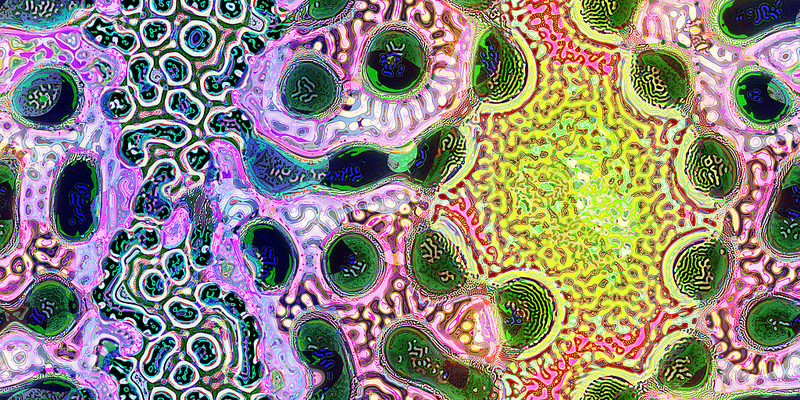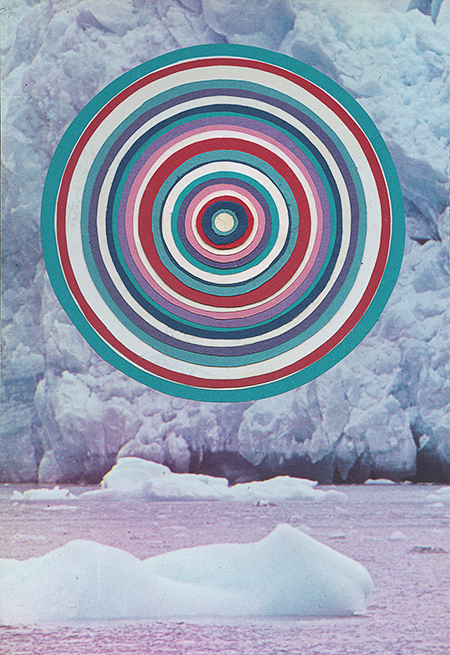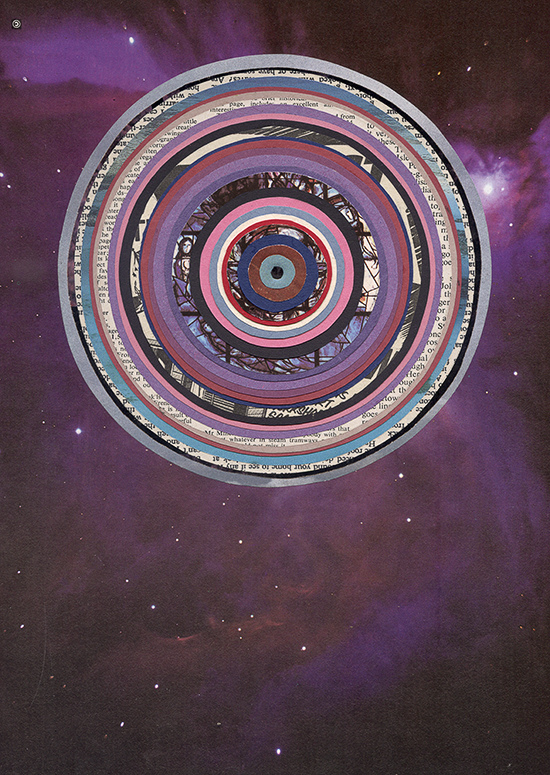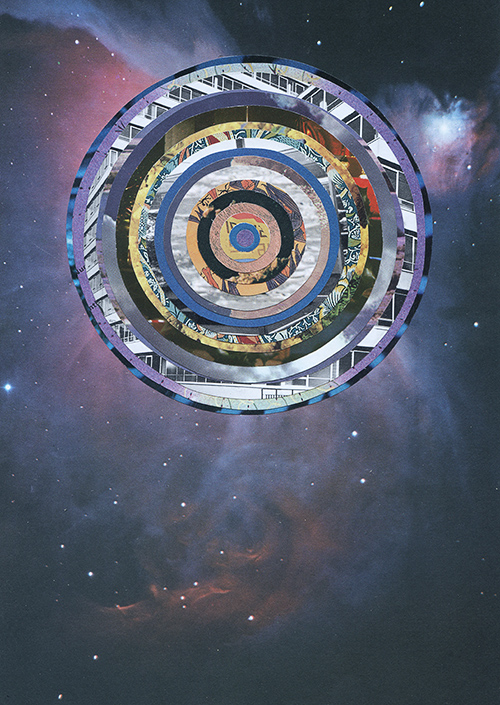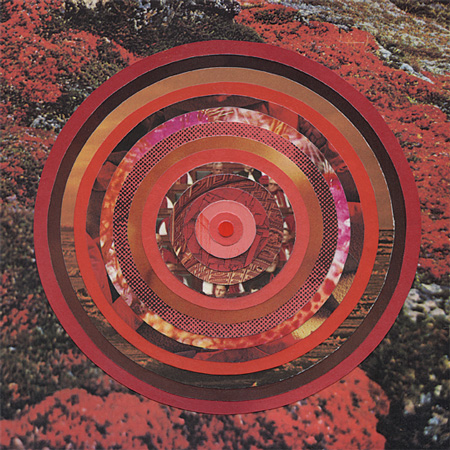
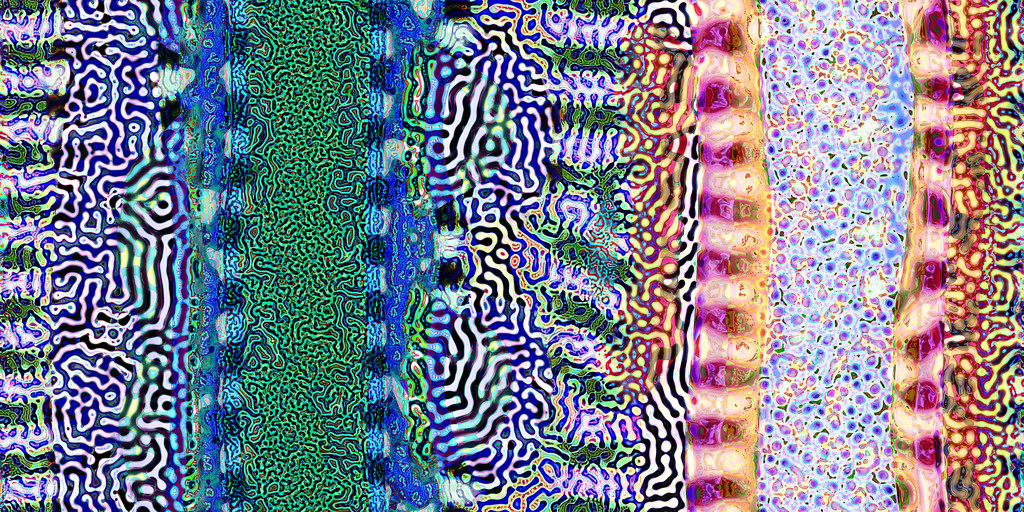
Generative visual art by :

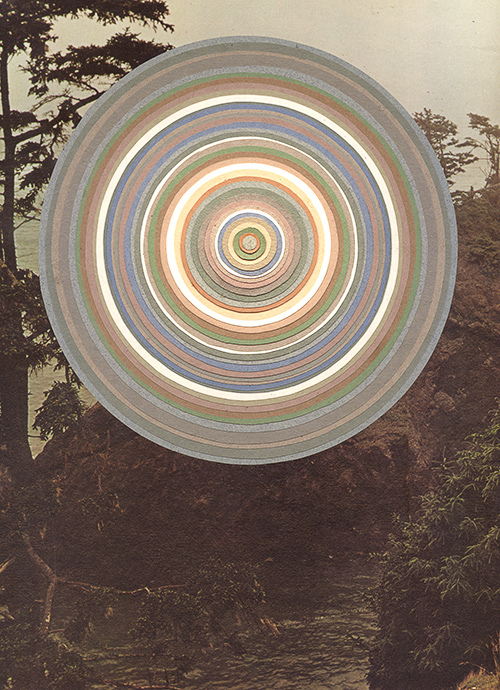
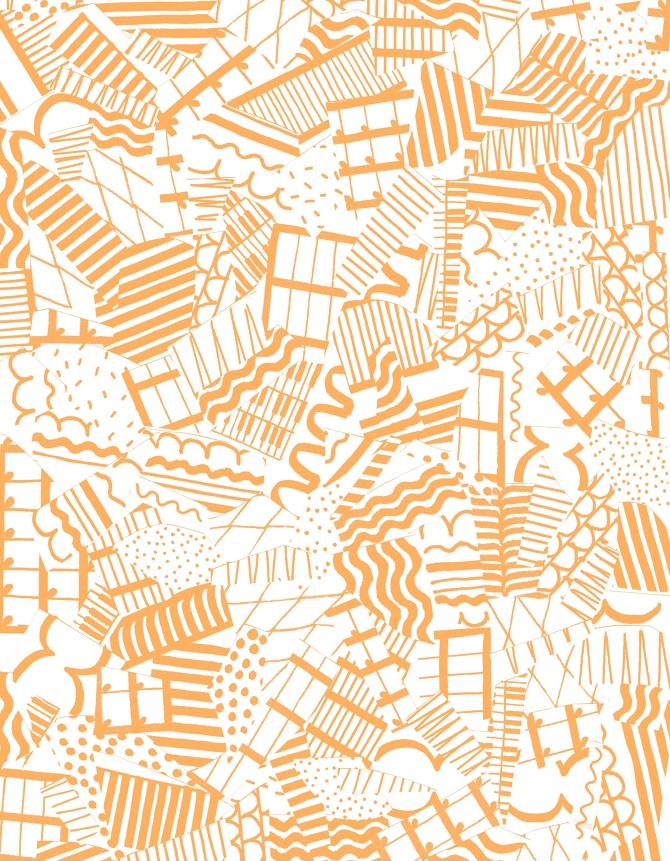
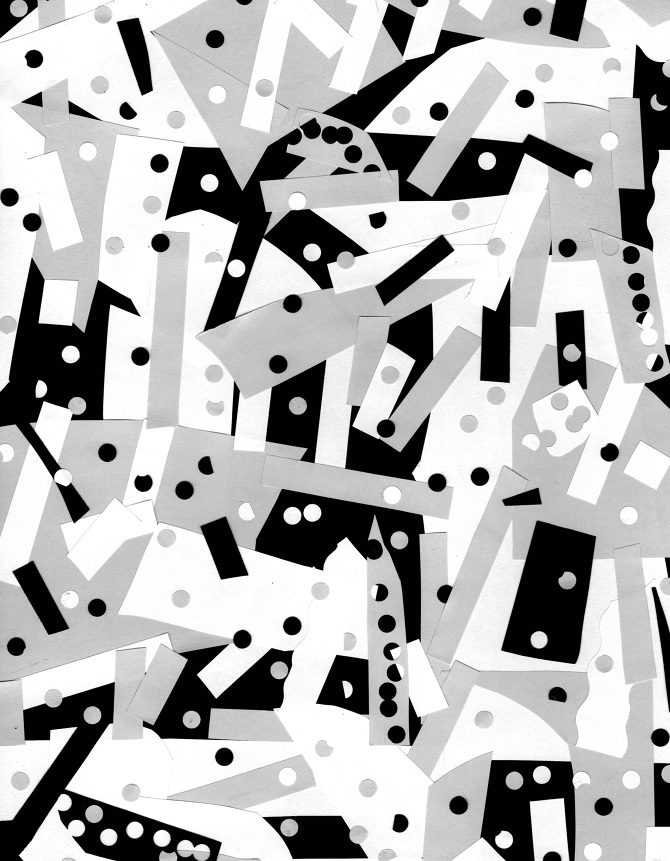
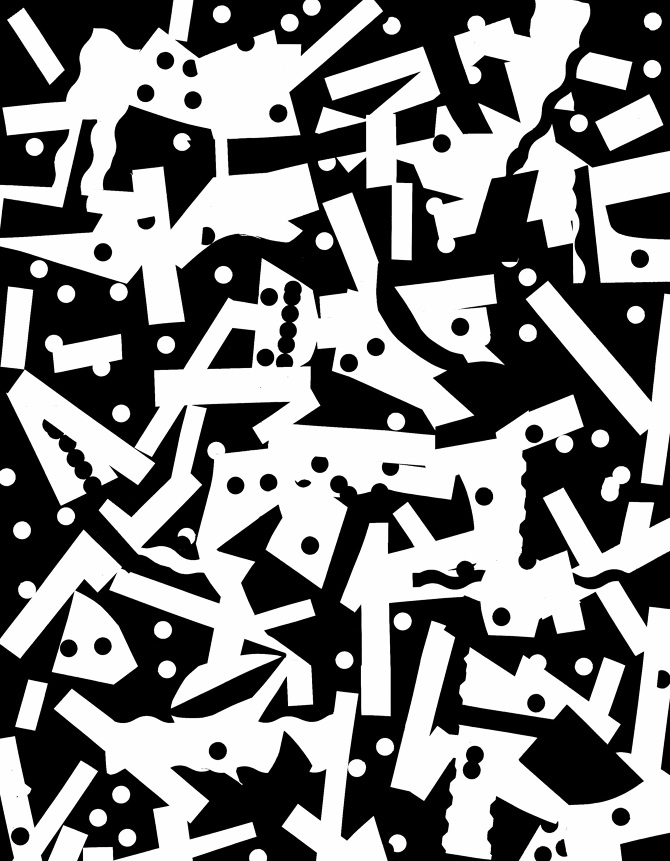
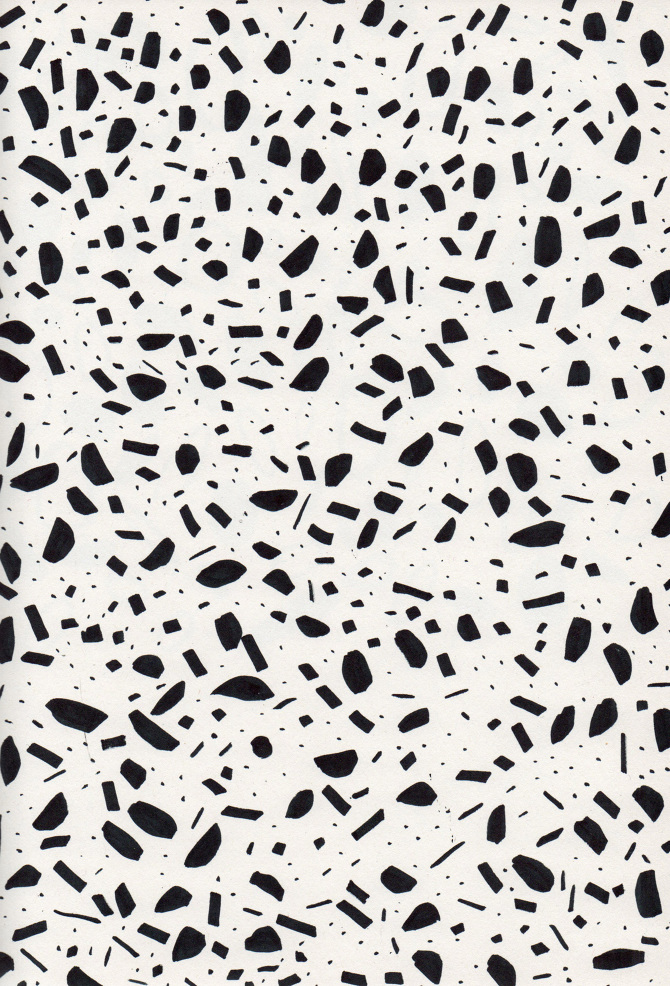
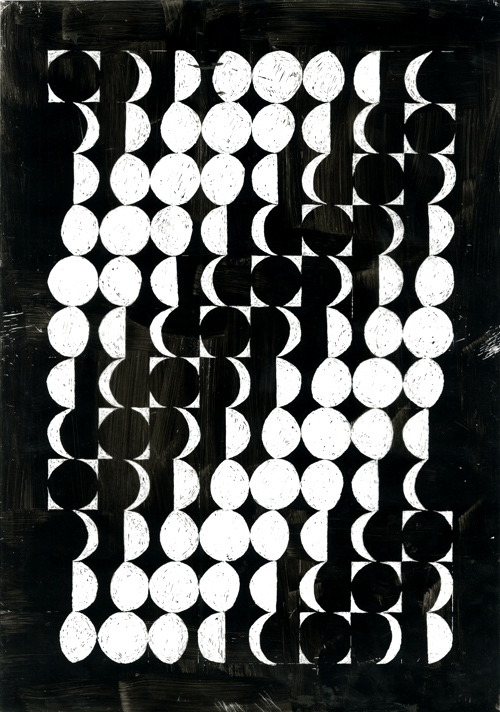
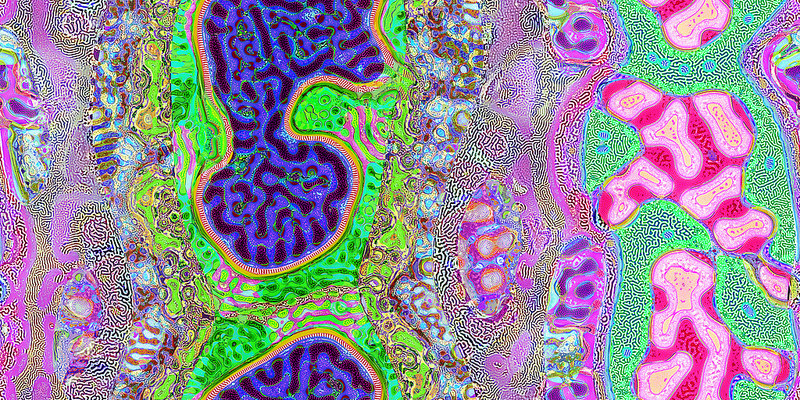
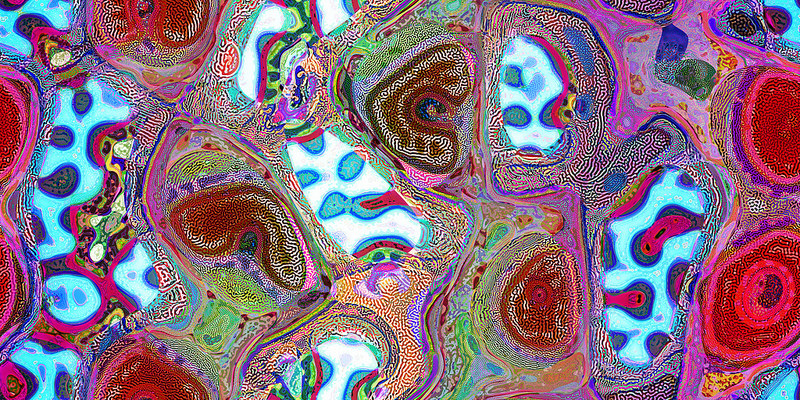
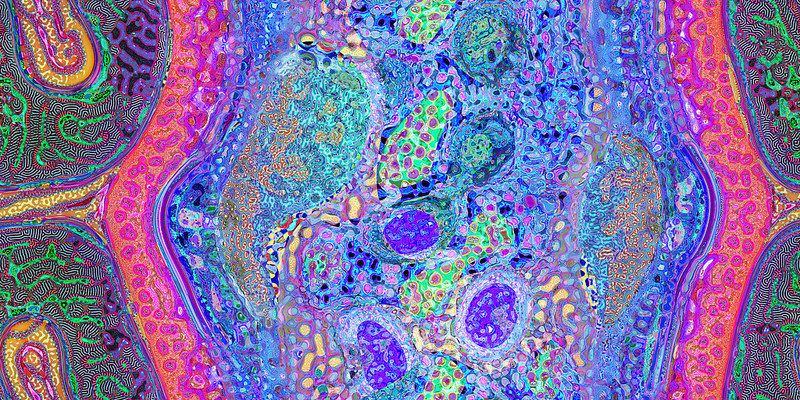
“The Method goes something like this. Imagine a square sheet of paper, and mark a dot somewhere on it and record its position. Fold the paper along a random axis, and watch where the dot ends up, recording this position. Repeat this thirty-two times. Use a weighted average of that list of points to determine the colour (or at least hue and brightness) of that original point. Now repeat, using the same folds, for as many points on the square as you like (say, several million). What I love about this is that despite the intensely tactile quality of the surfaces, these images have no “thing” to them: they’re visualisations of transformations of space – traces of topological history. This generative technique has lots of neat features. It’s resolution-independent (you can sample as many points as you like), the procedure is simple and compact (32 folds) and because it’s a sequence, it’s richly connected with image structure: the first fold is the most significant in controlling macro-structure, and the last fold influences the smallest level of detail. McCabe uses genetic algorithms to search and “optimise” the space of possible fold sequences / images.”[this quote relates to McCabe's exhibition , not these displayed artworks]
Expand Article


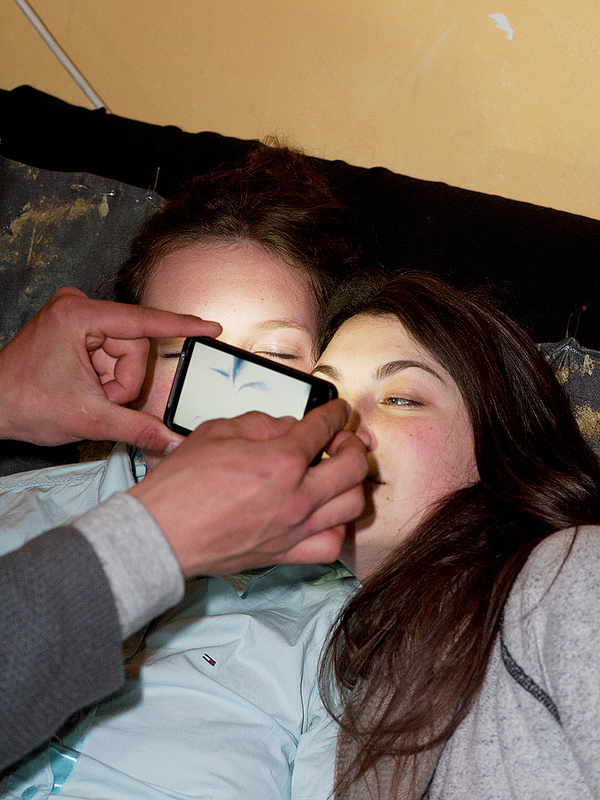
Photography by :

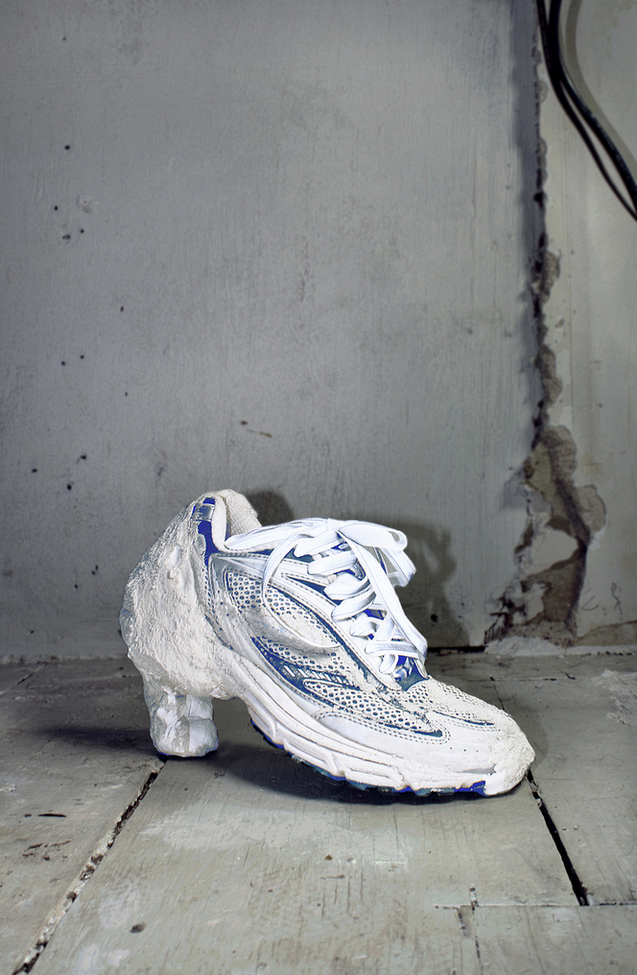
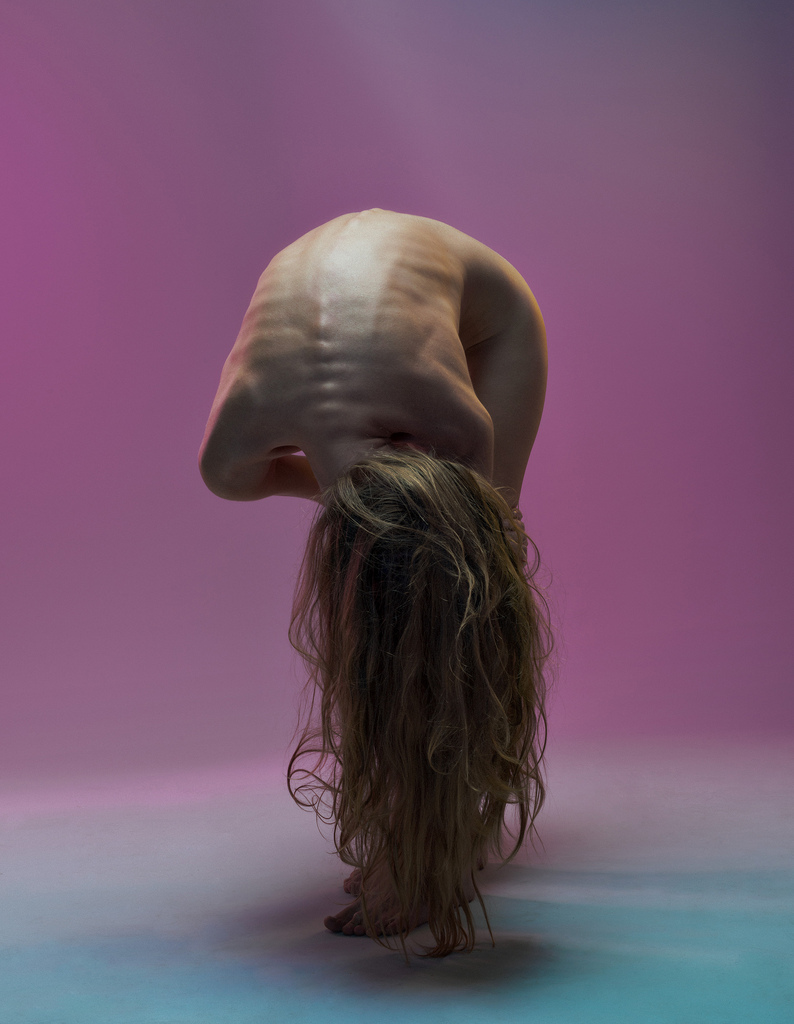
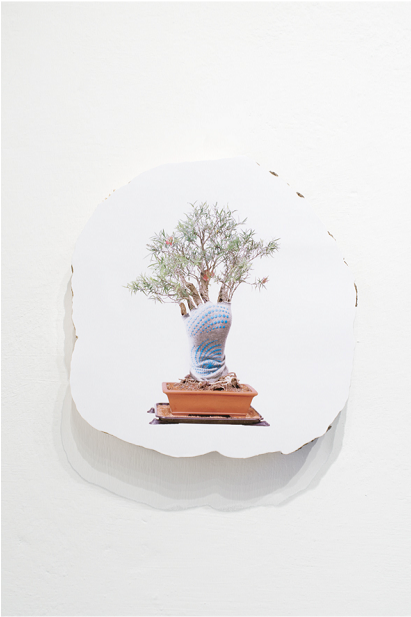
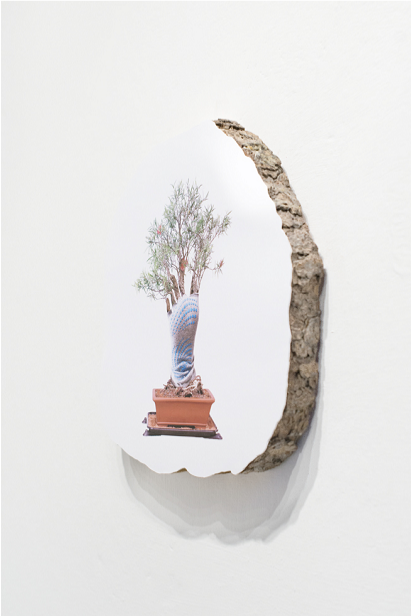
“In my own work I always try to describe my relationship towards my subject, which is always personal. I’m not that much of a photo designer. Yes I design the objects I find but they always came to me by accident, just from living my life. I would never buy objects in a store to photograph them. That just doesn’t feel right and a bit forced. For me it’s really important that there’s still an attachment to “

Expand Article

tennis shoe, heel, sculpture

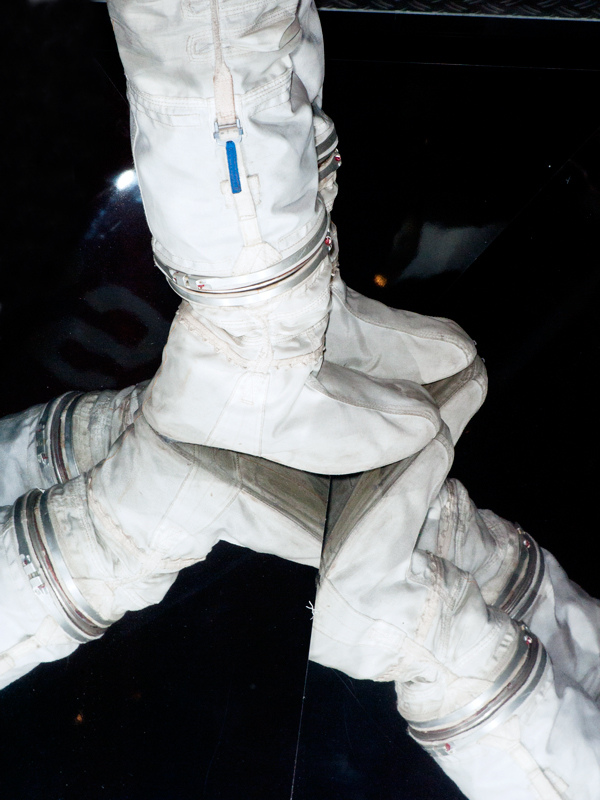
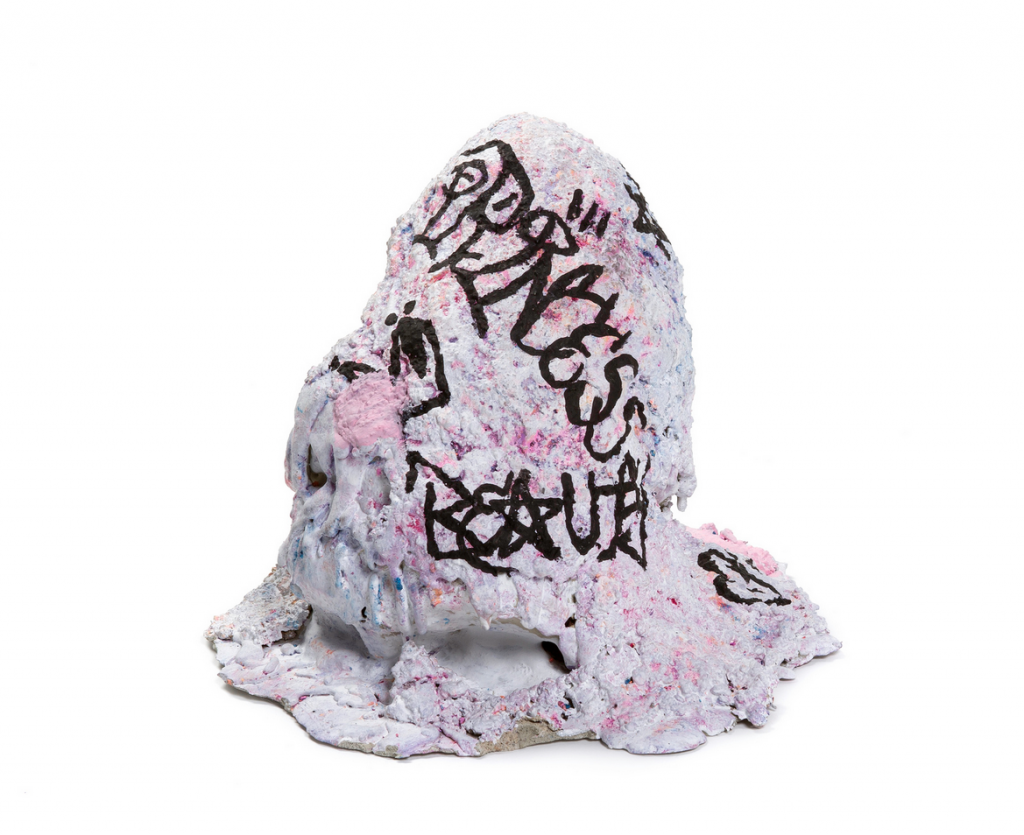
Abstract and conceptual sculptures by artist :

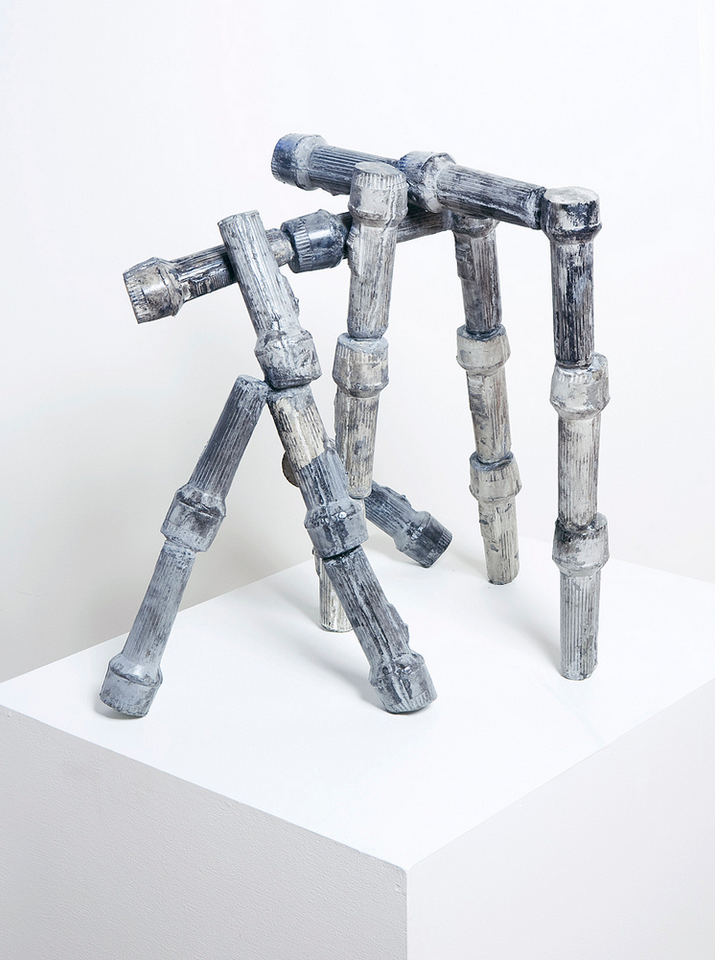
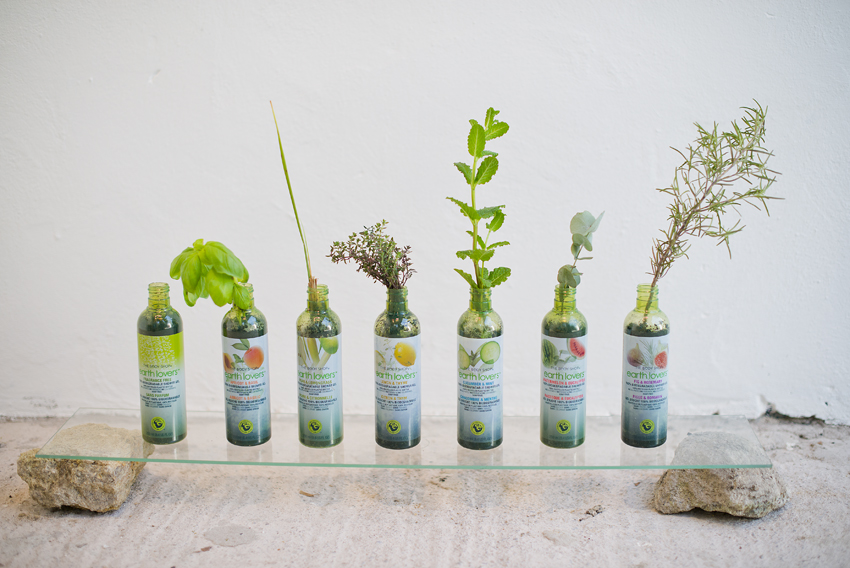
“The main focus of her research is on the transformation of symbolic behavior through mass production and the resulting loss of information. Her aim is to recreate the commercial promise of the “all-in-one” consumer object through the use of failure in construction and ”

Expand Article


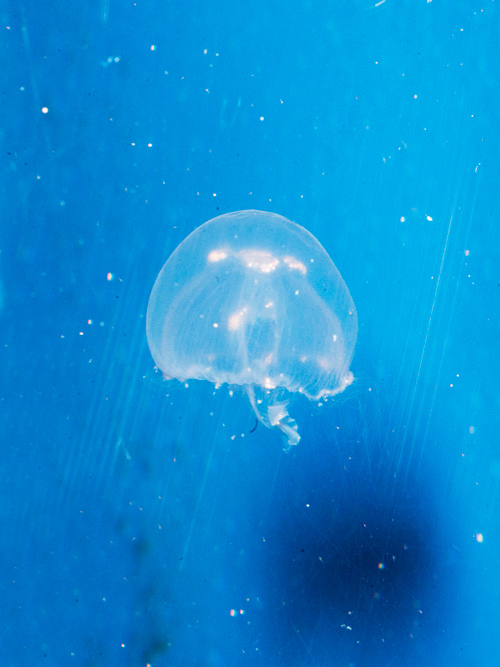
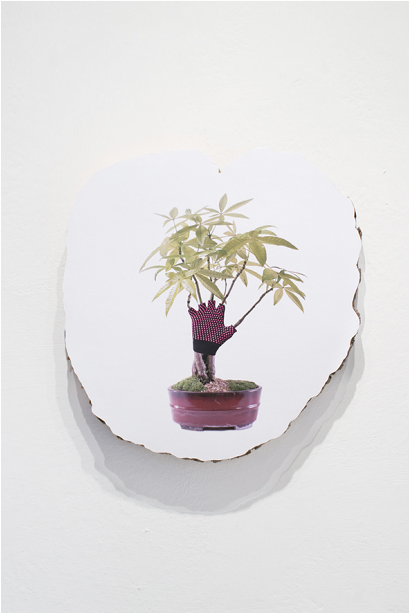
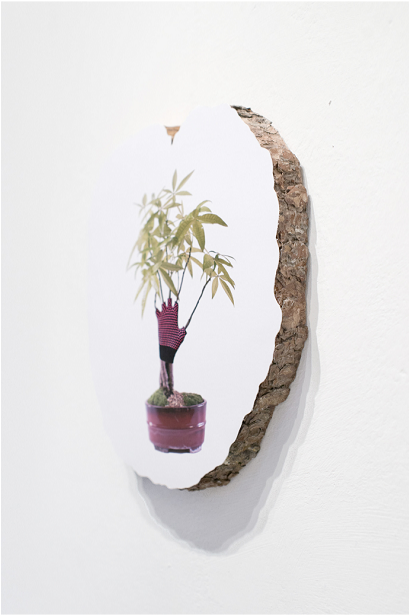
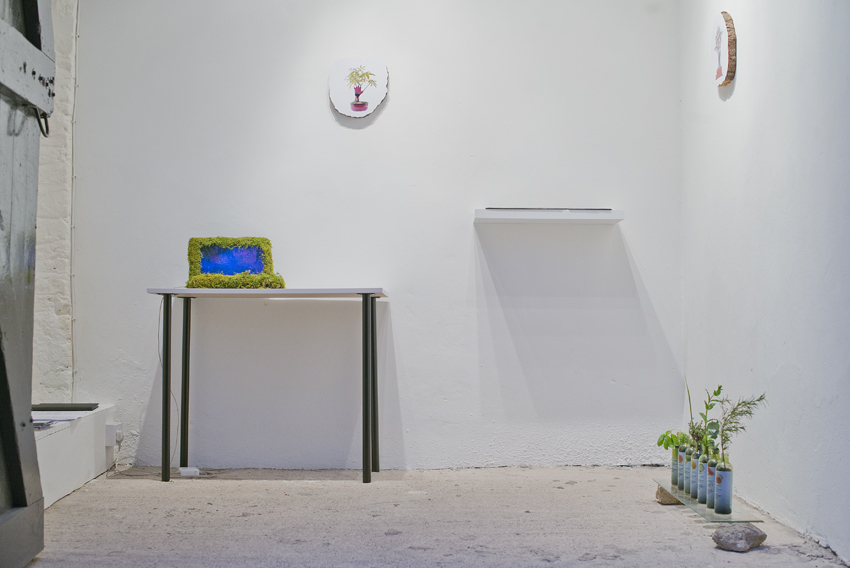
Great thought-provoking exhibition of conceptual artifacts created by:

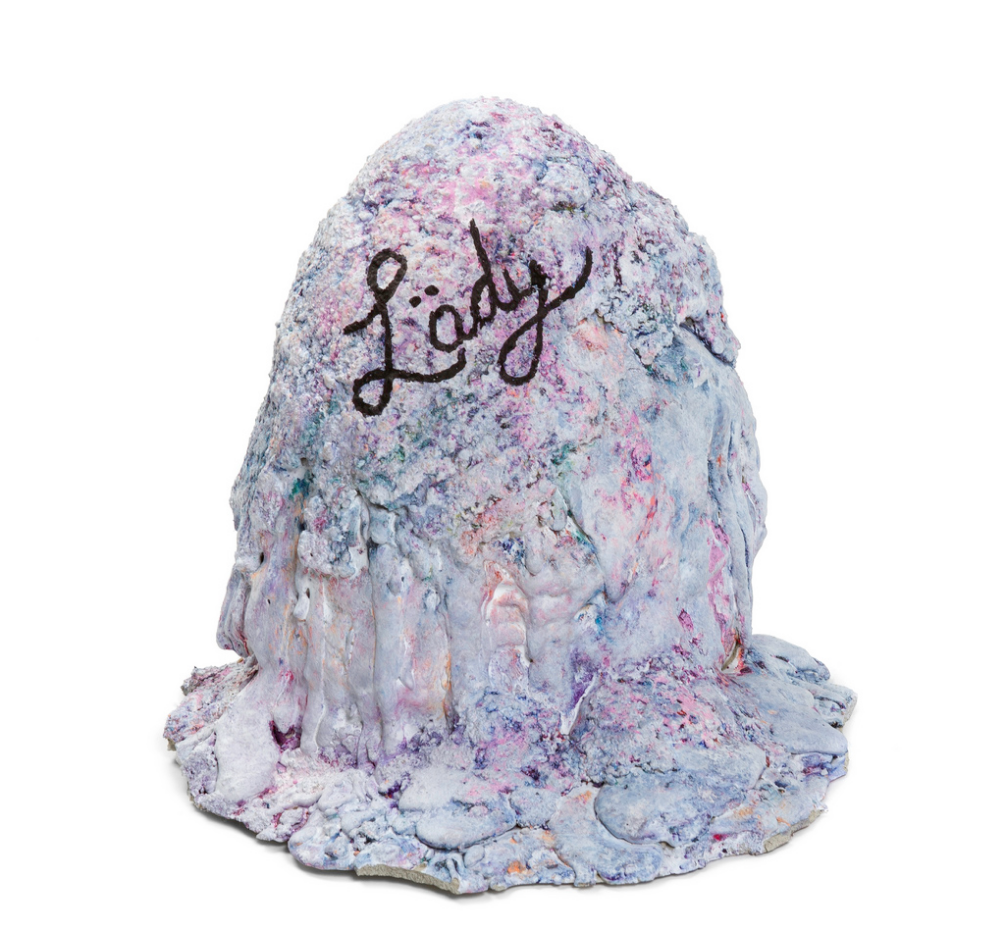
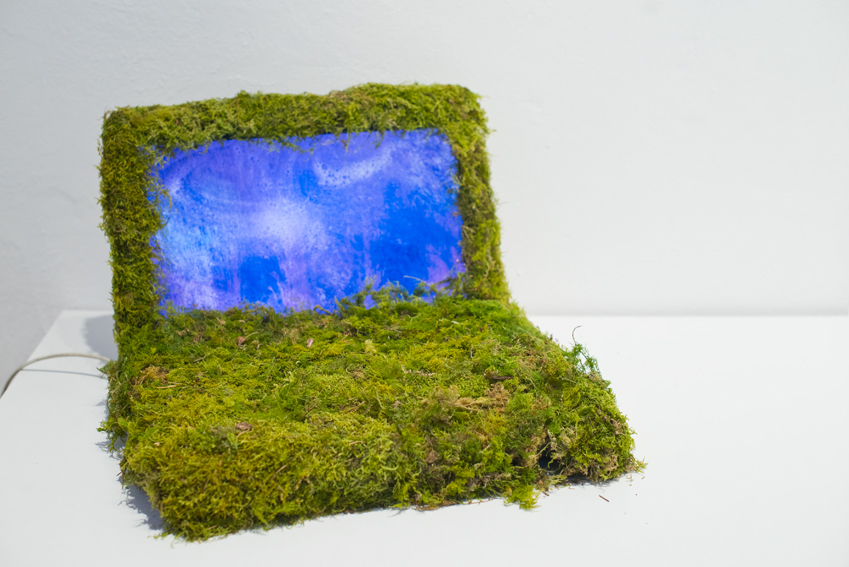
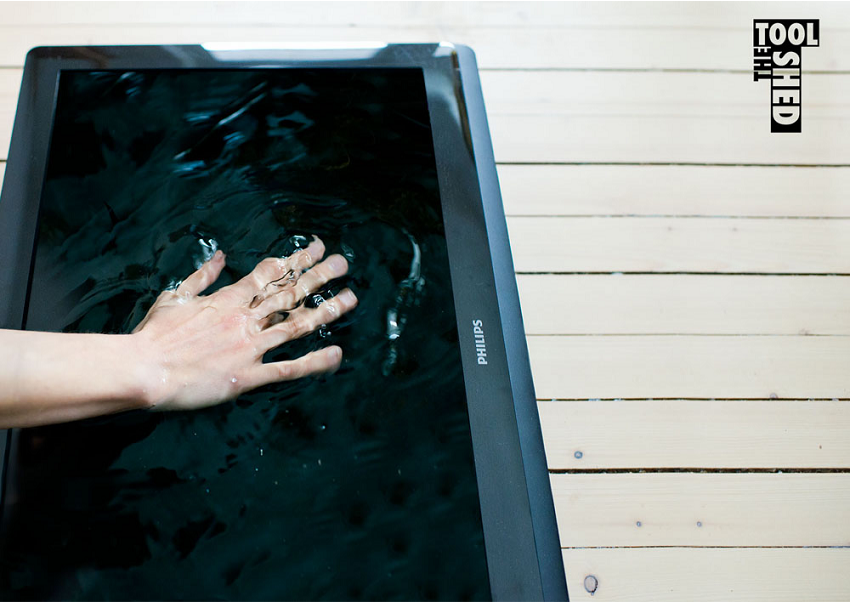
“Spending time online, making digital work I’ve been interested in notions of touch and closeness. I have experienced the digital in a synaesthetic way, where the vibrant colours and hyperreal textures attempts to break through the screen, becoming more than visuals, attaining real presence.

Moving from my abstract photoshop work into installation, I’m still interested in a sort of virtual touch. With this project I wanted to explore how this is part of how we interact with technology and other consumer products. As physicality becomes negated through our increasing immersion in linguistic structures, digital worlds and social media, brands and marketing make use of the desire for intimacy that is left unfulfilled. This is tapped into by evoking a sort of aura, a virtual touch, promising closeness through proxy, offering hyperreal transcendence.”

Expand Article

  • © 2013 Art Sponge

Top